Research Unveils Mitochondrial Role in Age-Related Neuromuscular Junction Degeneration
These findings, published in Aging Cell, provide significant insights into the mechanisms that drive sarcopenia and motor function decline with aging.
2–4 minutes

These findings, published in Aging Cell, provide significant insights into the mechanisms that drive sarcopenia and motor function decline with aging.
A research team from U-M BME’s Aguilar Lab has identified a key factor in age-associated muscle decline: the loss of postsynaptic mitochondria at the neuromuscular junction (NMJ). Their findings, published in Aging Cell, provide significant insights into the mechanisms that drive sarcopenia and motor function decline with aging.
Understanding Muscle Decline
“As we age, one of the most critical manifestations that impinges on our health is the loss of muscle mass and muscle strength.” said Carlos Aguilar, Associate Professor, Biomedical Engineering, and senior author of the study. “We are not able to use our muscles in the same way that we did when we were young.”
This functional loss is closely related to the degeneration of NMJs, which are specialized synapses allowing communication between motor neurons and muscle fibers. When this communication becomes impaired, it contributes to frailty, decreased physical activity, and the onset of age-associated diseases such as sarcopenia.
Mitochondria at the Core of NMJ Stability
Although NMJ degeneration in aging has been noted in both human and mouse models, the underlying cause remained unclear. Aguilar’s team focused their investigation on mitochondria, essential organelles responsible for energy production and cellular regulation within muscle fibers, particularly at the NMJ.
“We were particularly interested in what happens to mitochondria at the synapse when we age,” Aguilar said. Using high-resolution imaging techniques and single-nucleus RNA sequencing before and after nerve injury in young and aged mice, the team observed a marked loss of postsynaptic mitochondria in older muscle tissue. This reduction was accompanied by increased denervation and delayed reinnervation after nerve injury.
Establishing Causality with CRISPR-Based Models
To determine whether mitochondrial dysfunction drives NMJ degeneration, the researchers used muscle-specific CRISPR genome editing to target two critical mitochondrial proteins: CHCHD2 and CHCHD10. These nuclear-encoded proteins localize to the mitochondrial intermembrane space and support mitochondrial integrity.
“By knocking out these proteins in young mice, we were able to reproduce key aspects of the aged muscle phenotype,” said Aguilar. The CRISPR knockouts resulted in mitochondrial disorganization, reduced ATP production, NMJ fragmentation, and delayed muscle recovery after injury. Transcriptomic analysis confirmed impairments in mitochondrial remodeling programs and increased cellular stress. “Our work demonstrates that maintaining postsynaptic mitochondrial integrity is essential for NMJ stability and regenerative ability,” Aguilar stated.
Implications for Therapeutic Strategies
Currently, there are no approved therapeutics for sarcopenia or age-associated muscle loss—diet and exercise remain the only physician-recommended interventions. However, Aguilar’s research points toward the potential for targeted genetic and mitochondrial therapies.
“We are actively exploring different interventional approaches to modify gene expression in situ,” Aguilar explained. “Our findings highlight the possibility of developing novel therapies, including mitochondrial transplantation and genetic modulation, that may preserve NMJ integrity and improve outcomes after muscle injury in the aging population.”
Research Collaboration and Acknowledgments
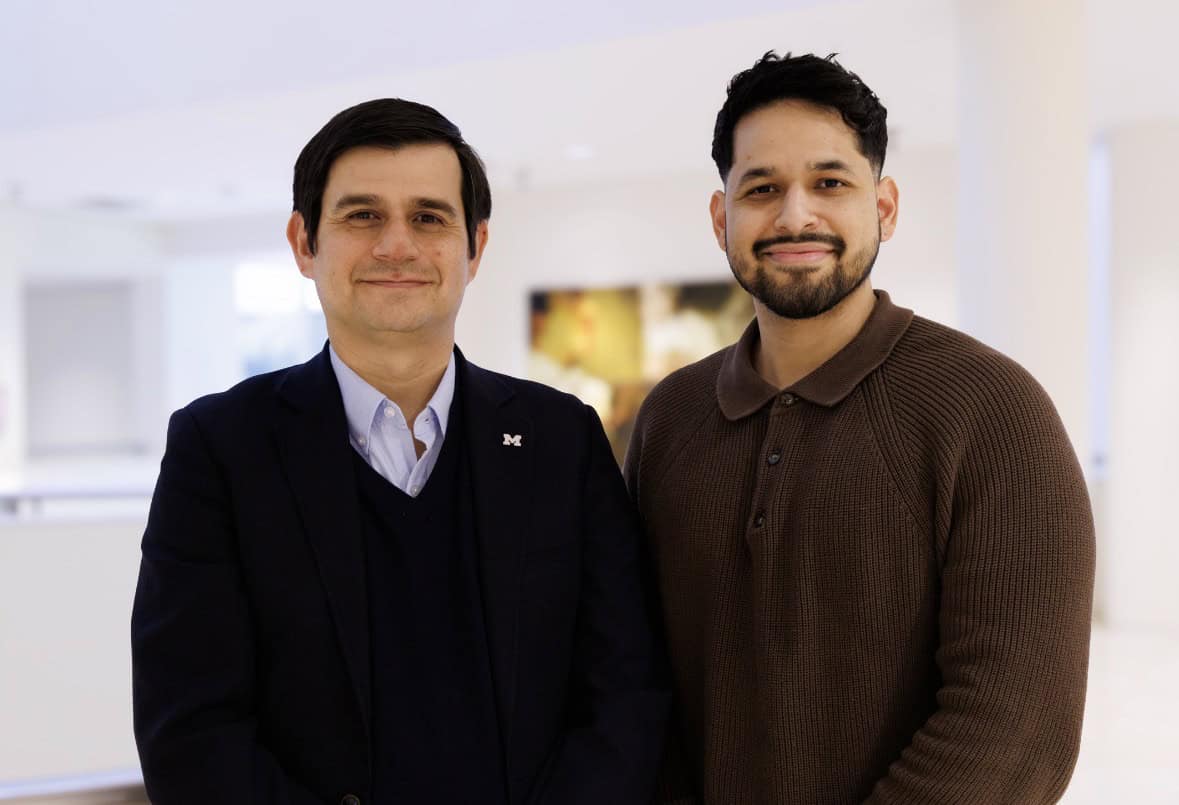
Dr. Aguilar emphasized the collaborative nature of the project, noting that its success was the result of contributions from postdoctoral fellow Steve Guzman and several key collaborators, including Greg Valdez at Brown University and Joe Chakkalakal at Duke University. “This project has benefited from a wave of innovation in single-nuclei sequencing and genome editing technologies,” Aguilar noted.
Support for the research came from the Hevolution Foundation and National Science Foundation CAREER award. The team’s work sets a foundation for future studies aimed at mitigating the impact of aging on muscle health and function.
Learn More: The full research article is available in Aging Cell.